VRF Air conditioner round flow cassette indoor unit
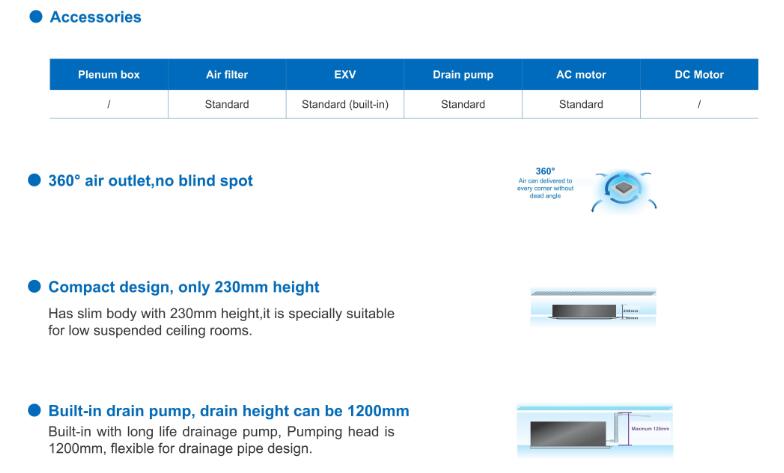
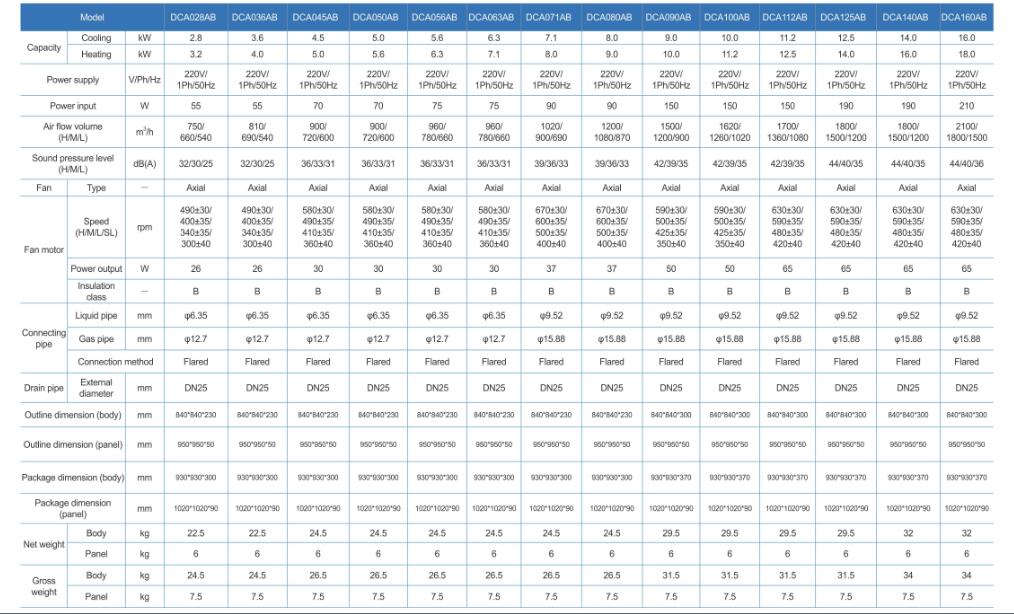
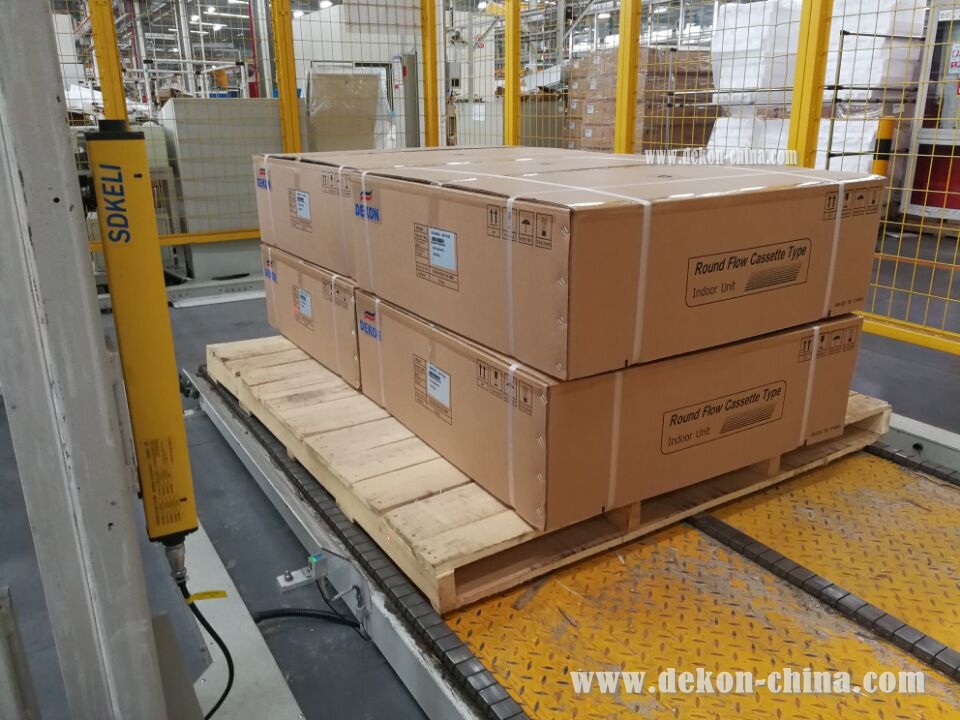
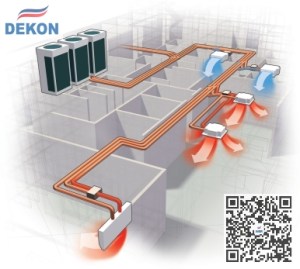
VRF Air conditioner round flow cassette indoor unit,360° air outlet,no blind spot,Compact design, only 230mm height,Built-in drain pump, drain height can be 1200mmVRF Air conditioner round flow cassette indoor unit data sheet
Want to know more about DEKON VRF Indoor unit, CLICK HERE.
For more detailed specifications about each VRF Indoor unit, pls check below links or download the catalog.
Dekon is one of the most professional factory in China supplies the VRF Air conditioner.
VRF system also called VRF Air conditioner or VRF Units, in our factory we call it DRV, means DEKON Refrigerant Variable flow units.
Now we have exported to more than 20 different countries of our VRF products.
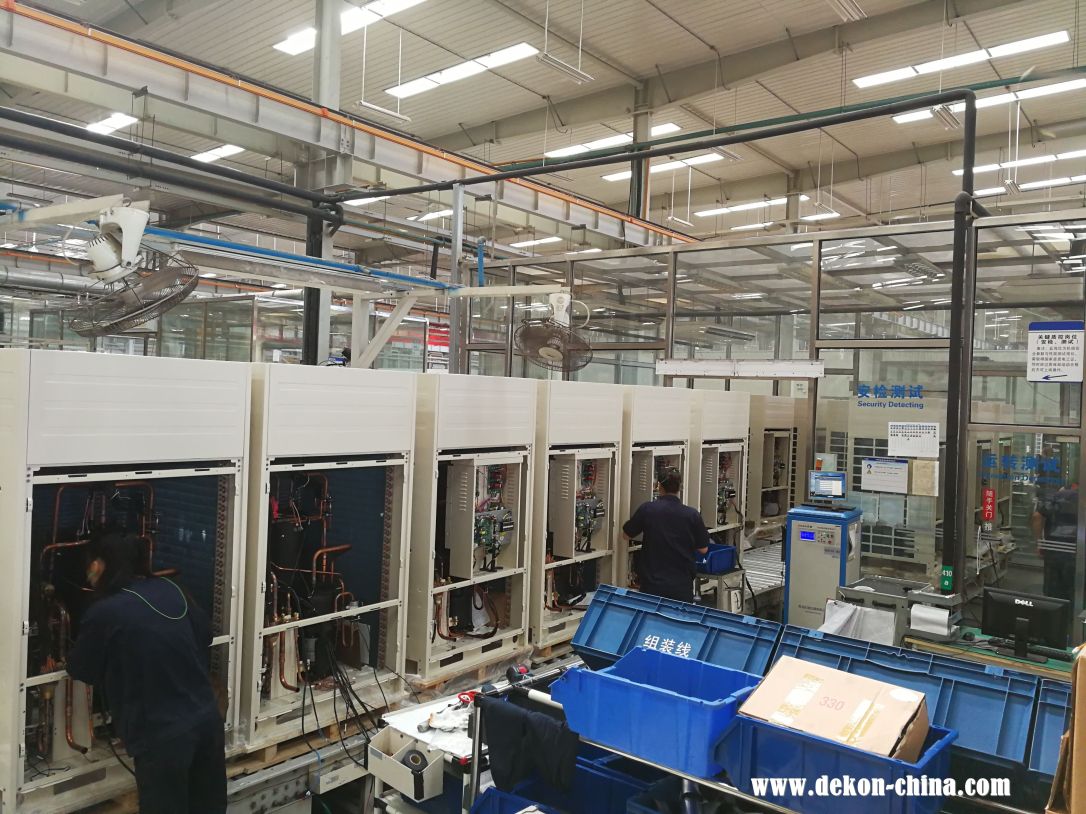
Here are the production of the order for bank in Myanmar project.
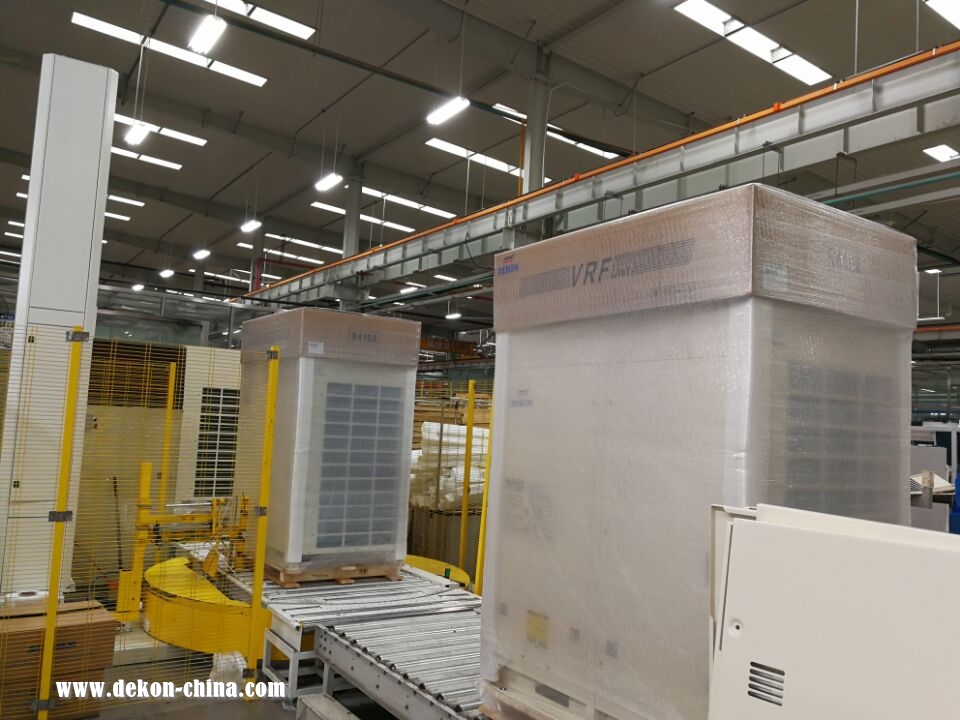
Dekon VRF Units/System outdoor units modular type, with Hitachi compressor, R410a gas, DC inverter technology.
Dekon is one of the professional VRF Units/System factory in China. This is our outdoor units modular type production online, with Hitachi compressor, R410a gas, DC inverter technology.Dekon is one of the professional VRF Units/System factory in China. This is our outdoor units modular type production online, with Hitachi compressor, R410a gas, DC inverter technology.Dekon is one of the professional VRF Units/System factory in China. This is our outdoor units modular type production online, with Hitachi compressor, R410a gas, DC inverter technology. Visit our webpage at http://www.dekon-china.com or mail us for more info to dekon@dekon-hvac.com
For more info about DEKON VRF, you can download our catalog here:
Air conditioner units has always been a highly discussed topic nowadays, due to its functions along with its contradictory side effects. While it allows modifications to the air condition within an area of a building, it also contributes to large energy consumption. Some types of AC refrigerants could even cause ozone depletion. The good news is, now, a system has been developed to tackle these issues.
Japan has developed a system called variable refrigerant volume (VRV) or more widely known as variable refrigerant flow (VRF). This 30-year-old system has been deployed across Asia and even in some parts of America. Not only do the systems use R-410-A as refrigerant to overcome ozone depletion issues, VRF systems also allow a large outdoor unit to serve multiple indoor units. Each indoor unit can control its refrigerant supply to meet the demand of the area it serves, meaning every indoor unit can have a different configuration and individualized comfort control. As they allow for a more effective control over refrigerant flow, VRF systems can be considered as a promising energy efficient method to reduce the energy use from 70% to 60% compared to conventional units.
The individual control in VRF SYSTEM is more economical and efficient; therefore, they are ideal for the dynamic occupancy. Allocating a portion of outdoor space for its outdoor unit can also be considered an advantage, because it has minimized the cost of maintenance. Furthermore, VRF systems also give the possibility for retrofitting. Five years ago, EECCHI’s (Energy Efficiency and Conservation Clearing House) office in Jakarta, Indonesia was retrofitted and completed with lighting and air conditioning systems, which promote energy efficiency. The VRF systems were installed into the building to reduce energy consumption up to 40%. After a year, the building showed more than 50% energy savings as the outcome of the retrofitting attempt.
From the beginning of VRF systems development in Japan, the country itself has shown a strong market. About 50% medium sized (≤ 6500 m2) and almost 30% of large sized (> 6500 m2) commercial buildings in the country are using VRF systems.
Nowadays, China has exceeded Japan’s VRF market size. Looking back to 2012, it has covered half of VRF global demand, which were about 420.000 units. For the year of 2014, China VRF productions are expected to serve worldwide market, though the expansion will present a challenge to the local market. If this happens, China’s VRF factories , like DEKON will not only have to start focusing on the global demand, but also sustain its local penetration to prevent shifts to other HVAC systems.
In South Asia, India is leading the AC market. From 2012 to 2013, the country has an estimated total market around USD$1 billion on VRF systems, ducted systems, central plants and other supporting equipment. As of now, the VRF systems in India have shown a market growth. It is influenced by the building construction standards that focus on energy efficiency and the expansion in building sector with overall constructed area of 9,670 million m2 by 2030. And DEKON will try to focus on this market and find the right solutions to get the share.
Another part of Asia that has a strong VRF market performance is Southeast Asia. For instance, Indonesia is projected to have growing demand for air conditioning product by 20% in 2014. In fact, according to the data from 2011 BSRIA (Building Services research and Information Association), VRF systems showed a market volume of 5,600 units and sales value of USD$54 million. Along with the EECCHI’s office building, The Energy Building in Jakarta, Indonesia also stands as a model for VRF systems installment.
Most of energy efficient systems have a high initial cost, so do VRF systems. In spite of that, the advantages of this systems such as flexible installation, energy conservation and space saving are the keys to its market growth. Additionally, wide range of controls to manage VRF network are available and they can be integrated to various large scale building automation systems. This also contributes to VRF market performance in Asia. (AGB.com — YTA)
For more info about Dekon, pls visit our site:
Si tiene otra solicitud, también puede ver:
Unidad de tratamiento de aire
Enfriador de tornillo refrigerado por aire
Enfriador de tornillo refrigerado por agua
Unidades de techo embaladas
ESP alta FCU
Casetera de cuatro vías FCU
Enfriador de desplazamiento modular
Mini enfriador refrigerado por aire
Aire acondicionado comercial ligero
Turbor Enfriador centrífugo
Para más información, envíenos un correo electrónico a info@dekon-china.com.
O agregue whatsapp 0086-15356475680 / Simon











 Your Comfort Air, We Dekon Care!